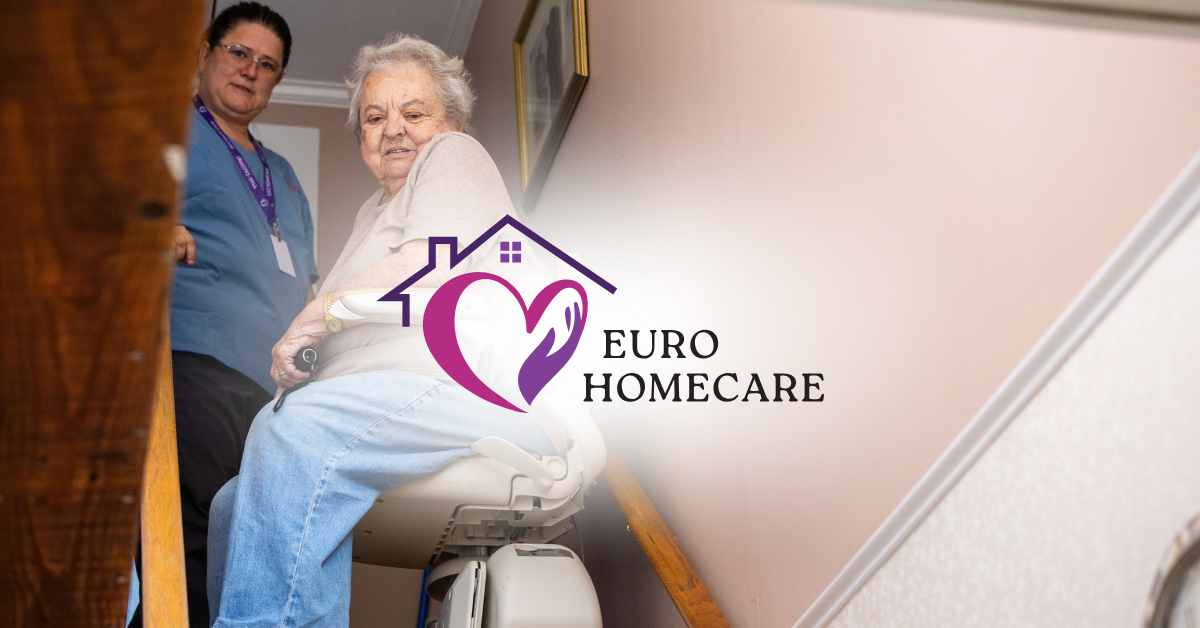
Warning Signs a Senior Should Not Live Alone | Euro Homecare Connecticut
Warning Signs a Senior May No Longer Be Safe Living Alone
As parents and loved ones age, many families begin to wonder whether it is still safe for them to live independently. Seniors often want to remain in their homes for as long as possible, but certain changes in health, mobility, or memory can make living alone increasingly risky. Recognizing the early warning signs can help families take proactive steps before a serious incident occurs.
Euro Homecare, a family-owned home care agency based in Plainville, Connecticut, works with many families who face this exact question. Understanding the signs early can make the transition to in-home care smoother and help seniors maintain their independence while staying safe.
Frequent Falls or Balance Issues
One of the most common warning signs that a senior may need help is an increase in falls or balance problems.
Falls are one of the leading causes of injury for older adults. Even a minor fall can lead to serious complications such as broken bones, head injuries, or loss of confidence when walking.
Warning signs may include:
- Unexplained bruises
- Difficulty standing up from chairs
- Trouble walking without support
- Fear of walking or moving around the house
- Using furniture to steady themselves
A professional caregiver can help reduce fall risks by assisting with mobility, monitoring safety, and ensuring that seniors move safely throughout their home.
Memory Loss and Confusion
Memory problems are another common indicator that independent living may be becoming unsafe. While occasional forgetfulness is normal with aging, more serious cognitive changes can create dangerous situations.
Families may notice signs such as:
- Forgetting to turn off the stove
- Missing medications
- Getting lost in familiar areas
- Confusion about time or place
- Repeating the same questions frequently
Conditions like Alzheimer’s disease or dementia often require increased supervision to prevent wandering and ensure the senior’s safety.
Difficulty Managing Daily Tasks
As people age, everyday tasks that once seemed simple can become difficult. If a senior struggles to maintain their home, prepare meals, or manage personal hygiene, it may indicate that they need assistance.
Common signs include:
- Spoiled food in the refrigerator
- Unwashed laundry piling up
- Bills going unpaid
- Poor personal hygiene
- Weight loss due to skipped meals
Home caregivers can assist with light housekeeping, meal preparation, medication reminders, and other daily tasks that allow seniors to remain comfortable in their homes.
Increased Isolation or Loneliness
Isolation can have a serious impact on both physical and mental health. Seniors who live alone may experience loneliness, depression, or reduced motivation to take care of themselves.
Companion care can help address these challenges by providing:
- Meaningful conversation and companionship
- Help running errands or shopping
- Social engagement and activities
- Transportation to appointments or outings
These interactions not only improve emotional well-being but also help monitor a senior’s overall health.
Frequently Asked Questions
How do I know if my parent is no longer safe living alone?
Common warning signs include frequent falls, memory issues, poor hygiene, missed medications, and difficulty performing daily tasks.
When should families consider home care?
Families often begin considering home care after a fall, hospital stay, or when daily routines become difficult for the senior to manage independently.
Can seniors stay at home with professional care?
Yes. Many seniors can remain safely in their homes with the help of professional caregivers who assist with daily activities and monitoring.
What services does Euro Homecare provide?
Euro Homecare provides non-medical home care services including companionship, personal care, homemaking, and live-in care for seniors throughout Connecticut.
Does home care help seniors maintain independence?
Yes. Professional caregivers support seniors while allowing them to remain comfortable in their own homes and maintain their routines.
Get Care
For more information or to schedule a service, call us at (860) 793-9944 or complete the contact form.