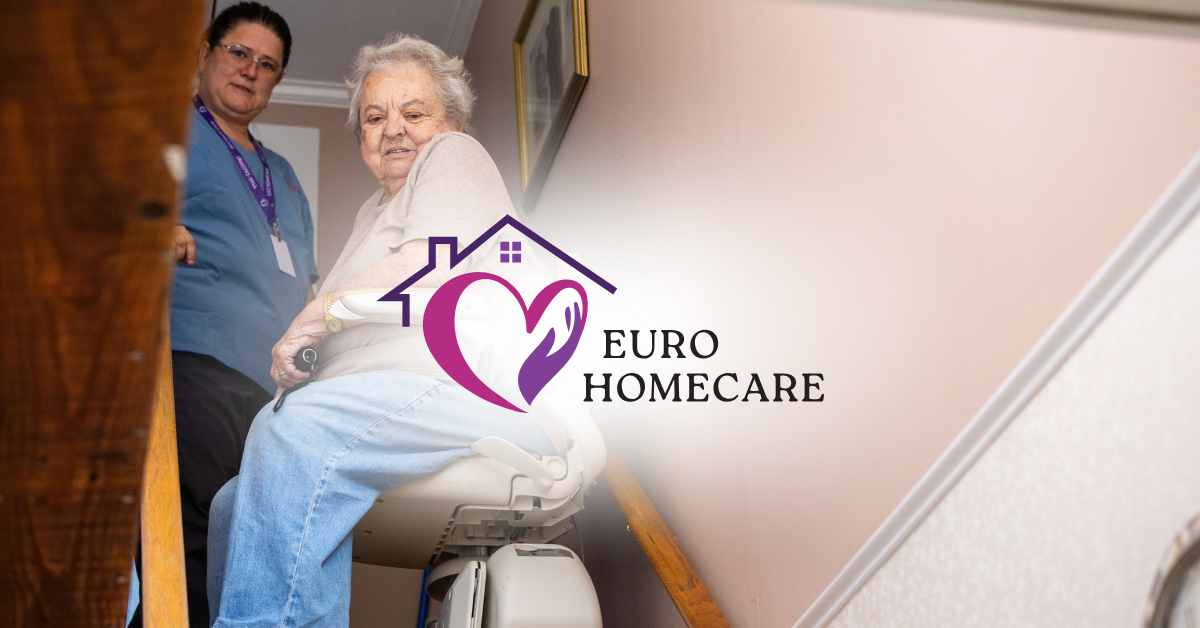
Identifying Hidden Safety Risks in Older Homes Before Incidents Occur
Many homes were not designed with aging adults in mind. While some risks are easy to spot, others are less obvious and can create serious safety concerns over time.
Recognizing these risks early helps families take the right steps to keep their loved ones safe at home.
Common Safety Risks Families May Overlook
Some of the most significant hazards are not immediately noticeable. These can include narrow spaces, difficult layouts, and areas that are hard to access safely.
Common overlooked risks include:
- Tight spaces that are difficult to navigate with mobility aids
- Bathrooms that require stepping into a tub or over a ledge
- Areas of the home that are not easily accessible
These challenges can increase the risk of falls or make daily routines more difficult.
Why These Risks Become More Serious Over Time
As mobility changes, tasks that were once simple can become unsafe. What may seem manageable today can quickly turn into a daily risk.
Families often do not recognize these challenges until:
- A fall or near-miss occurs
- A loved one begins to struggle with movement
- Certain areas of the home become difficult to use
Being proactive helps prevent emergencies and reduces stress.
How Home Care Helps Reduce Safety Risks
Professional caregivers are trained to assist with daily activities in a way that prioritizes safety. Instead of relying solely on home modifications, caregivers provide hands-on support that helps reduce risk immediately.
Home care can help by:
- Assisting with mobility and movement throughout the home
- Supporting safe bathing and personal care routines
- Helping navigate areas that may be difficult or unsafe
This allows individuals to remain at home safely, even if the environment is not perfect.
Creating a Safer Day-to-Day Routine
Safety is not just about the home itself, but also about how daily routines are managed. With the support of a caregiver, routines can be adjusted to reduce strain and prevent accidents.
This includes:
- Structuring daily activities in a safer way
- Providing consistent supervision when needed
- Reducing the likelihood of rushed or unsafe movements
A consistent routine supported by home care can make a significant difference.
Frequently Asked Questions
What is the most overlooked safety risk in a home?
Tight spaces and difficult layouts that become challenging as mobility changes.
Do families need to renovate their home to improve safety?
Not always. Home care can provide immediate support without requiring major changes.
How does a caregiver improve safety at home?
By assisting with movement, personal care, and daily routines in a safe and controlled way.
When should families start thinking about safety risks?
Before an incident occurs, especially when mobility begins to change.
Can someone stay at home safely without major modifications?
Yes, with the right level of support in place.
Get Care
For more information or to schedule a service, call us at (860) 793-9944 or complete the contact form.