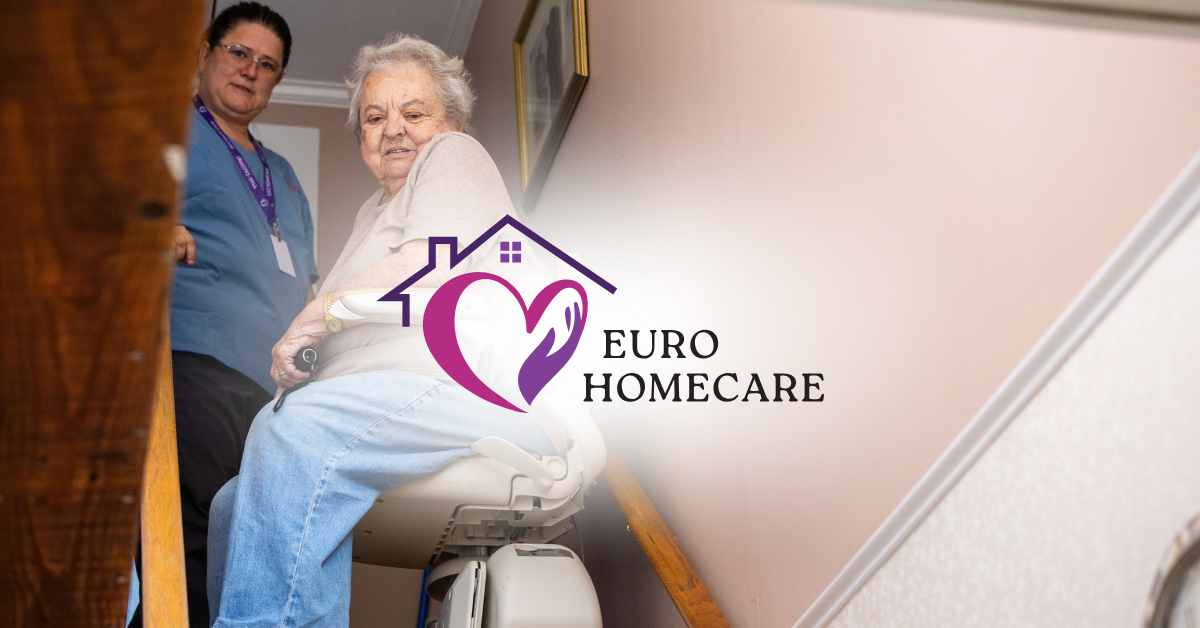
Euro Homecare provides personal care support including bathing, dressing, and incontinence assistance for seniors across Central Connecticut. Learn what's included.

Euro Homecare matches families with Spanish, Haitian Creole, French, and other bilingual caregivers across Central Connecticut. Learn how language matching works.

Learn what Special Care means for seniors with memory or mobility needs, and how Euro Homecare supports families across Central Connecticut.
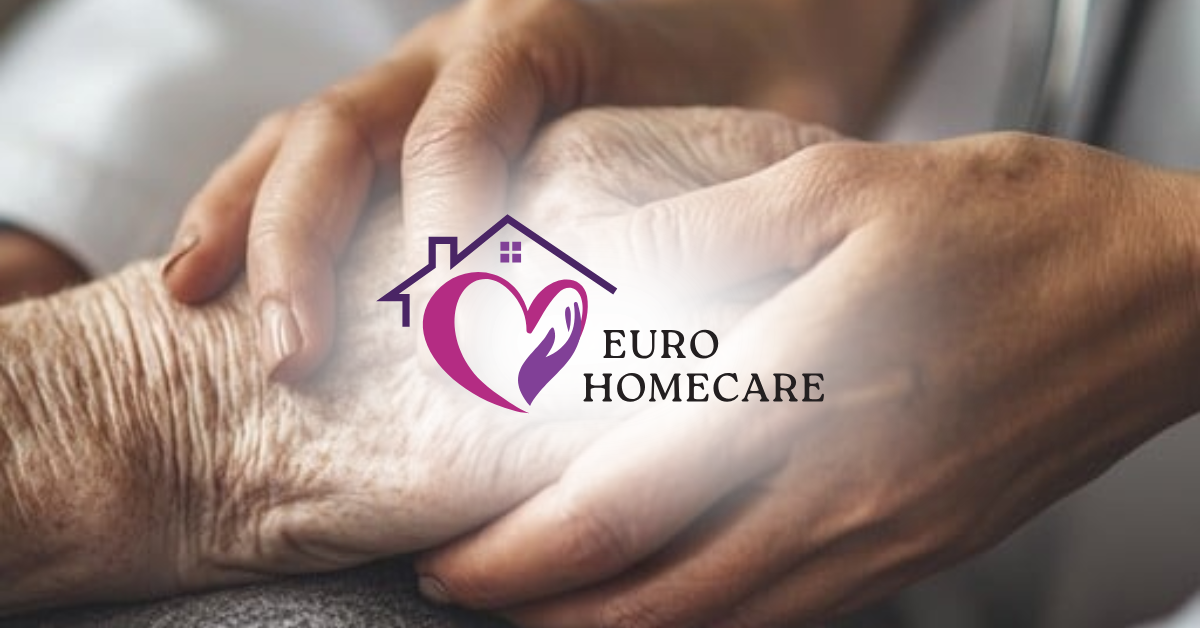
What does family-owned home care really mean? At Euro Homecare, it means the owner meets every client, the team knows your family, and accountability is personal — not corporate.
Euro Homecare accepts Medicaid (Title 19) when most CT agencies don't. Learn why we made this values-based choice and what it means for families navigating long-term care.
Euro Homecare accepts Medicaid (Title 19) and can often maintain the same caregiver when clients transition from private pay. Learn how continuity of care works in Connecticut.
Euro Homecare answers calls 24/7 — no answering service, no voicemail. Learn why real access to our team makes a difference for families and caregivers in Connecticut.
Learn how Euro Homecare matches caregivers to clients in Connecticut — considering personality, language, age, and personal connection beyond just qualifications.

Learn what Euro Homecare does when a caregiver placement isn't working — including how transitions are handled and what families can expect throughout the process in Connecticut.